

What Is Osteopathic Manipulative Therapy and How Does It Help After a Car Accident?
When patients arrive at Tulsa Accident Care Center following a car accident and see osteopathic manipulative therapy listed among our services, the most common response is a question: what is that, exactly, and how is it different from what a chiropractor does?
It is a fair question. Osteopathic manipulative therapy, commonly referred to as OMT, is a hands-on treatment technique performed by osteopathic physicians, and it plays a specific and well-supported role in post-accident recovery. Here is what you need to know.
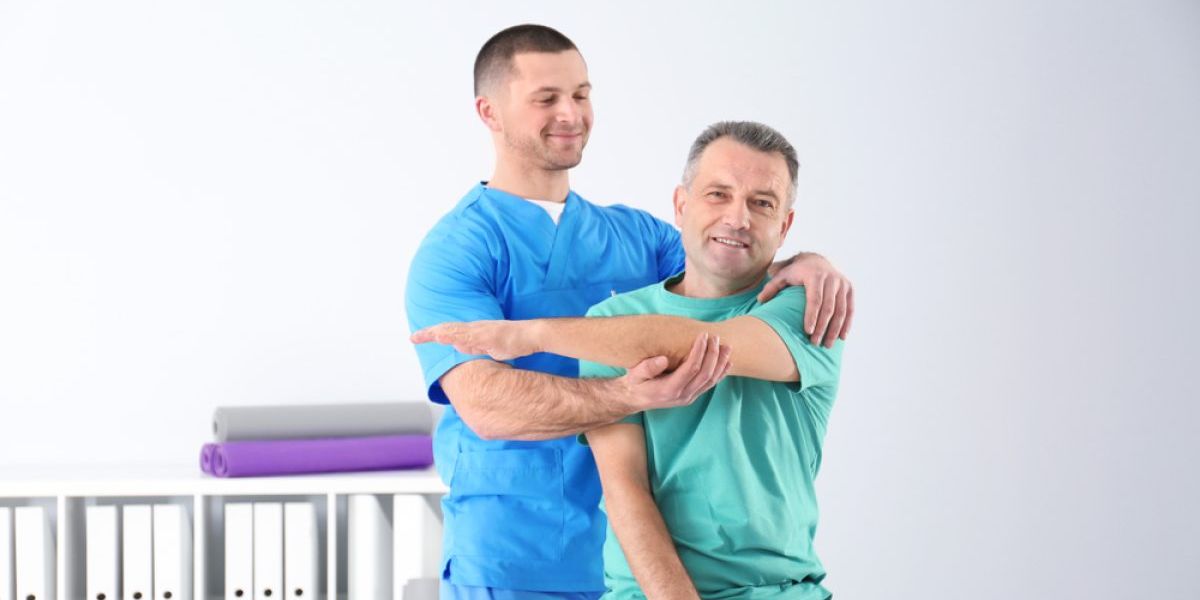
What Is Osteopathic Manipulative Therapy?
OMT is a set of hands-on diagnostic and treatment techniques used by osteopathic physicians to evaluate and address somatic dysfunction, a term for impaired or altered function in related components of the musculoskeletal system including bones, joints, muscles, and connective tissue.
Osteopathic physicians complete the same medical training as allopathic physicians but with additional instruction in the musculoskeletal system and hands-on diagnostic and treatment techniques. This medical background distinguishes osteopathic physicians from chiropractors, who are not medical doctors and whose scope of practice is limited to spinal manipulation. OMT encompasses a range of specific techniques, each selected based on the individual patient’s presentation, injury type, and treatment goals:
High-Velocity Low-Amplitude (HVLA) thrust
A quick, controlled thrust applied to a joint to restore normal range of motion. Research published in the American Family Physician confirms that cervical HVLA provides better short-term pain relief and improved function compared to oral analgesics for neck pain.Muscle Energy Technique (MET)
The patient gently contracts a muscle against a provider-applied counterforce, producing a reflexive relaxation that allows the joint to move through a greater range. Particularly effective for lumbar and pelvic dysfunction following crash-related strain.Myofascial Release (MFR)
Sustained pressure and gentle stretching applied to fascial restrictions, releasing tension in the connective tissue matrix that surrounds and interconnects muscles and joints throughout the body.Counterstrain
A gentle technique that positions the body to reduce tension at a specific tender point, allowing the muscle or ligament to release without the patient needing to actively participate in the movement.Articulatory technique
Repetitive, rhythmic passive movement of a joint through its range of motion to restore mobility and reduce periarticular tissue restrictions.Cranial OMT
Gentle techniques addressing the cranial bones and sacrum, used in patients with post-crash headaches, post-concussion symptoms, or cervicogenic dizziness.Asking About OMT as Part of Your Recovery?
How Car Accidents Create the Conditions OMT Addresses
Car accidents produce a specific and predictable pattern of musculoskeletal dysfunction that OMT is well-positioned to address. The rapid acceleration and deceleration forces in a collision do not simply strain muscles in isolation. They disrupt the functional relationships between joints, muscles, ligaments, and fascia throughout interconnected regions of the body.
A rear-end collision that primarily strains the cervical spine also loads the thoracic spine, the shoulders, and through the fascial connections of the back, the lumbar spine and pelvis. This is why patients often present with dysfunction across multiple regions rather than a single isolated injury site.
Following the initial injury, the body’s protective response includes muscle guarding, a reflexive increase in muscular tension designed to stabilize the injured area. If not addressed through treatment, guarding restricts joint motion, restricted joint motion alters loading patterns, and altered loading patterns produce additional dysfunction in adjacent areas. OMT works directly on this dysfunction cascade, interrupting it at its source rather than managing only the downstream pain symptoms.
The Evidence for OMT After Motor Vehicle Accidents
A peer-reviewed case series published in Cureus documented significant improvement in cervical range of motion and reduction in neck stiffness and daily headaches in a patient with chronic post-crash cervical dysfunction following a structured course of OMT, including muscle energy technique, myofascial release, balanced ligamentous tension, articulatory, and counterstrain techniques applied across the cervical, thoracic, and lumbar spine.
Broader research on OMT in musculoskeletal pain conditions supports its clinical application. Systematic review evidence supports OMT for both acute and chronic low back pain at a level comparable to other standard treatments. Cervical manipulation and mobilization show better short-term outcomes for neck pain than oral analgesics. And in the post-concussion context, published case reports document resolution of persistent post-concussion syndrome through OMT in patients whose symptoms had not responded to conventional management.
How OMT Fits Into the TACC Care Model
At TACC, OMT is one component of a coordinated, physician-led recovery plan that also includes physical therapy, concussion management, therapeutic modalities such as ultrasound therapy and electrical muscle stimulation, and on-site medication management when appropriate.
The decision to incorporate OMT is made at the individual level based on clinical findings at the initial evaluation. Not every patient requires OMT, and not every technique is appropriate for every presentation. For the majority of crash patients presenting with the neck pain, back pain, and multi-region dysfunction patterns that characterize vehicle collision injury, OMT provides a modality that addresses the structural dimension of recovery in ways that medication and exercise alone cannot fully replicate.
What Patients Experience During an OMT Session
For patients who have not experienced OMT before, the most common response after a first session is surprise at how gentle many of the techniques are. Techniques like counterstrain, myofascial release, and cranial OMT involve sustained gentle pressure rather than forceful manipulation. HVLA techniques do involve a more directed thrust and may produce an audible release, similar to what patients describe from chiropractic manipulation.
Most patients report reduced pain and improved range of motion following their first OMT session, though full benefit typically develops over a series of sessions integrated with the broader treatment plan. Mild temporary soreness in treated areas is common after the first one to two sessions and resolves quickly.
Same-day appointments are available at TACC Sand Springs, Tulsa, Broken Arrow, and Owasso. No upfront out-of-pocket costs (NAF). Walk-ins welcome.
Pain stops here.
Curious Whether OMT Is Part of Your Recovery Plan?
Related Reading
- Whiplash After a Car Accident: Symptoms, Timeline, and What to Expect — The primary injury presentation OMT is most commonly used to address.
- Rear-End Collisions: Why They Are More Serious Than They Look — Why rear-end crashes produce the multi-region dysfunction OMT addresses.
- Managing Soft-Tissue Injuries After a Car Accident — How OMT fits into the broader soft tissue recovery picture.
- Concussion After a Car Accident: What You Need to Know — How cranial OMT supports post-concussion recovery.
- How Long Does Recovery Take After a Car Accident? — Recovery timelines across all crash injury types.
- What Makes TACC Sand Springs Different From Urgent Care and the ER — Why coordinated, multi-modal care including OMT is only available at a specialist clinic.